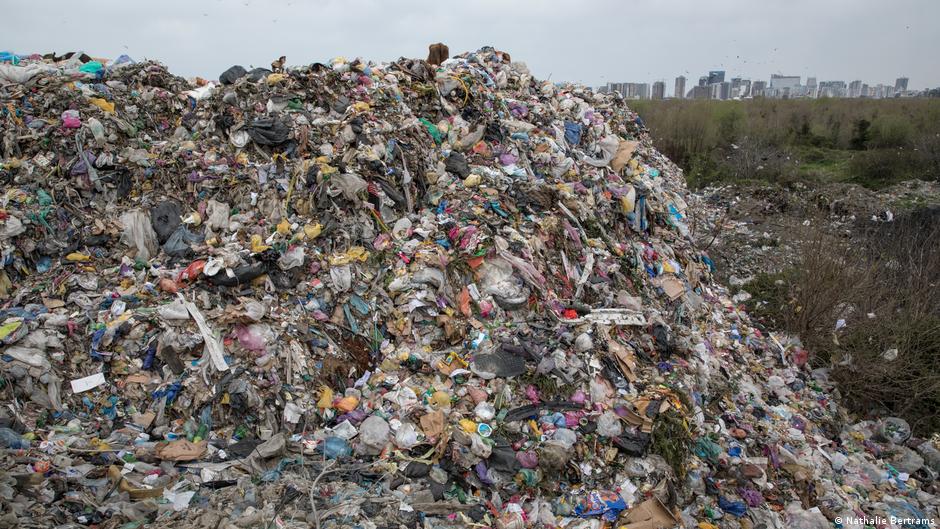
We started to think about achieving a zero waste lifestyle some time ago. The expression “zero waste” can be confusing and is sometimes identified with recycling. But when we say “zero waste”, we do not mean recycling. Recycling–in particular, plastic recycling–might very well be a scam. Plastic can only be recycled a few times, if it is recycled in the first place, so that much of our recycled plastic actually ends up in landfills, or even worse, in waterways and the ocean. The website Our World in Data has a numbers of FAQs about plastic. It is quite an instructive read!
So, what to do if recycling cannot be the solution to our waste problem, especially when it comes to plastic? Among the three Rs–Reduce, Reuse, Recycle–the first two should probably be given much more prominence, but somehow only the last one receives most of the attention. Is it because only the third R is profitable? At any rate, we think of “zero waste” as a lifestyle that emphasizes significantly reducing our waste output and if possible reusing items that we would normally put in the trash.
Zero waste can seem an extreme choice. There are videos of people who have switched to a zero waste lifestyle who show little glass jars that contain their trash for a full year. We are not sure we are ready to be so definitive. The psychological side effects of a zero waste lifestyle on one’s well being should not be overlooked either. We do not think we should deprive ourselves of what we need, but the waste management problem we face is admittedly severe.
We decided to take a slow approach and cut our waste in strategic ways. Here are three relatively simple changes we made.
Step 1: Composting
Two years ago we subscribed to a composting program in our area. It has been a success. It eliminated all our organic waste, food scraps, remainders of fruit and vegetables. We now keep a container on the kitchen counter and empty it every evening after dinner. The organic waste is held in air-tight buckets outside. They are picked up bi-weekly by the composting company.
This small change cut our organic trash output completely. It also improved sanitation as we no longer have smelly or leaky trash bags. And this was an entirely painless change that actually made handling trash easier. Having a compost container on the kitchen counter in which you can dump your banana peals or other food scraps is very convenient. The key is to empty the container every day and put the waste in sealed buckets with airtight leads. This ensures there are no bad smells or fruit flies. Once we got used to the process, it became second nature.
Our trash bags used to get filled pretty quickly. We had to bring the bags outside and put them in the trash bins frequently. But trash bags are never airtight. So the organic waste would smell and attract insects and animals. Composting eliminates this hazard. Composting made our trash management easier, not more difficult or time consuming.
Step 2: Eliminate plastic
The second step we took was to eliminate plastic waste. Even if our trash bags no longer had organic waste in them, they were still full of thin plastic packaging. And the recycling bin was full of plastic containers and bottles. All of these plastic items are unnecessary. Plastic is, admittedly, one of the worst offenders and the greatest problem in waste management.
So, a few months ago, eliminating thin plastic packaging from our trash bags and plastic items from recycling bins became our next priority. This took some thinking, but we managed to work out a system that once in place works smoothly.
(A) Bulk bins
We started with using bulk bins at the supermarket more often. Many supermarkets carry them: Safeway, Sprouts, Whole Foods, etc. Others do not. We are fortunate to live in a place where at least one of the supermarkets around us carries bulk bins. Bulk bins usually contain beans, grains, rice, lentils, flour, granola, nuts, snacks, etc.
We made a few cloth bags, reusable and washable. We bring them with us to the store and fill them as needed. When we get back home, we empty the bags into glass jars. In theory, we could bring the glass jars directly to the store and avoid the middle step of using cloth bags. This method would save some time, but the cloth bags are easier to transport.
Switching from plastic packaging to bulk bins was not difficult. We only needed to get used to bring our own reusable bags to the store. Really, after a few times, bringing cloth bags for bulk items became routine, just like not forgetting house keys or the ID.
Now, of course, bulk bins do not contain everything one might need. Perhaps they do not have one’s favorite chocolate, coffee or tee. What about chips or other snacks? Well, if one cannot live without an item that is packaged without losing sanity, it should be okay getting it in plastic packaging. Zero waste should not be a dogmatic religion, but a reasonable approach towards a better lifestyle.
Personally, we did not use to eat chips or snacks before. So we did not feel the need to give up many such items. But chocolate sometimes bought in plastic packaging can be given a pass…
(B) Fruit, vegetables, meat, fish
What about key components of one’s diet such as fruit, vegetables and — for the non-vegetarians — meat and fish? For fruit and vegetables, things are easy. Most fruit and vegetables come without packaging in many supermarkets. They might have little labels or plastic tags on them, but that’s very little plastic waste. We can live with that. So avoiding plastic packaging for fruits and vegetable was quite easy for us.
Meat and fish is another story. We used to get fish frozen and it came in voluminous plastic packaging. And even going to the fish counter, one would always get the fish wrapped up in some kind of plasticized paper packaging. Meat is no different. What to do, then?
It is embarrassing at first, but what to do is simple: bring a few glass containers and ask the attendants at the fish and meat counter to use your containers instead of the standard packaging. Most of them will be happy to do it . They’ll use a bit of paper to weigh the fish or meat , and then they’ll place them in the container instead of the packaging.
Initial embarrassment aside, this process is simple and effective. And carrying a few reusable containers is not difficult, once you get used to it. The good thing is that this method improves sanitation tremendously. Even without organic waste, our trash used to smell badly because of fish or meat packaging left in it. This is not the case anymore.
(C) Personal care and cleaning products
We then turned to personal care and cleaning products. We found a local refillery store that carries items such as soap, shampoo, dish and laundry detergent, etc. in bulk. So we kept a few of our old plastic bottles and refilled them with whatever we needed. Cleaning products are more difficult to find in bulk. But the truth is, you can clean a lot of things just by using soap, vinegar and baking soda, all available in bulk. There might be some specialty products that need to be purchased in plastic containers, but this would be more the exception than the rule.
And what about floss, toothpaste and toothbrush? There are plenty of options for compostable floss and toothbrush. But it’s better not to order them from Amazon since they would come packaged, which would defeat the purpose! Toothpaste is harder to replace. For now we decided to stick to traditional toothpaste, but there might exist convenient alternatives we are not aware of.
Step 3: Glass, Metal and Paper
Beside composting and eliminating plastic, we also made another change. We now prefer to buy products that come in glass containers, paper or metal. Milk and dairy can be bought in glass bottles which can be returned. We found a pasta that comes in a paper bag with no plastic. It is called Felicetti and is very good. Extra virgin olive oil — we consume a lot of it! — often comes in glass or metal containers. Ideally, one should be able to buy pasta, oil, dairy and cheeses in bulk, but that isn’t easy to do where we live. It might be easier in places like California or New York. So buying these products in glass or metal containers seems a better choice than relying on plastic.
Not a big effort at al!
After implementing these three simple steps, our trash production decreased dramatically. We now take our trash out — in a very small bag! — every two or three weeks. We fill up the recycling bin more frequently, but it is mostly with paper, glass and metal containers.
Some might argue that we have given up convenience and tied up ourselves to a rigid and burdensome system. Well, not really!
For one thing, if we found ourselves hungry in the middle of a city with no reusable containers with us, we would probably buy whatever we needed even if it came in plastic packaging. The point here is to reduce, on a systematic basis, our trash output. Exceptions to the rule will always occur, but they will be, indeed, exceptions.
The second thing is that the convenience of buying products that come packaged is to a great extent illusionary. How convenient is it to deal with dirty and smelly packaging and dispose of it? How convenient is it to pay for it? Packaged food also tends to be processed and unhealthy, so the convenience of buying it is only short lived.
The modern obsession with convenience is our demise. It is convenient to drive ours cars everywhere we need to go, but that convenience takes a tool on our health and well-being. It is convenient to order in, but it also deprives us of the joys of cooking and knowing what’s in our meals. A Seamless advertisement on the NYC subway once said “Cook when you’re dead (or living in Westchester)” or another said “Cooking is so Jersey”. They are funny advertisements — at least for New Yorkers! — but are also indicative of how deranged we have become, praising vice over virtue with shameless abandon.
But, enough pontificating!
The bottom line is that the three changes we made toward waste reduction have not been onerous at all. They required adjusting our habits a bit, but that was that. All things considered, they made running the household and handling trash easier and more convenient.
Leave a Reply